Shrink has two sources: external theft and internal theft. Most warehouse operators spend their security budget on the external threat — perimeter cameras, gate access, guard patrols — while the internal problem goes unaddressed. That's a mistake. Industry loss prevention data consistently shows that internal theft accounts for 35–45% of total warehouse shrink, and the losses tend to be larger per incident because employees know where the gaps are.
This isn't a morale problem. It's a systems problem. When accountability is weak, the opportunity structure is permissive — and a small number of people will exploit it. The goal isn't to treat your workforce like suspects. It's to close the gaps that make theft easy.
Where Internal Theft Actually Happens
Most warehouse theft doesn't look like someone walking out with a box under their arm. It happens at the edges of your process, in the spaces between systems.
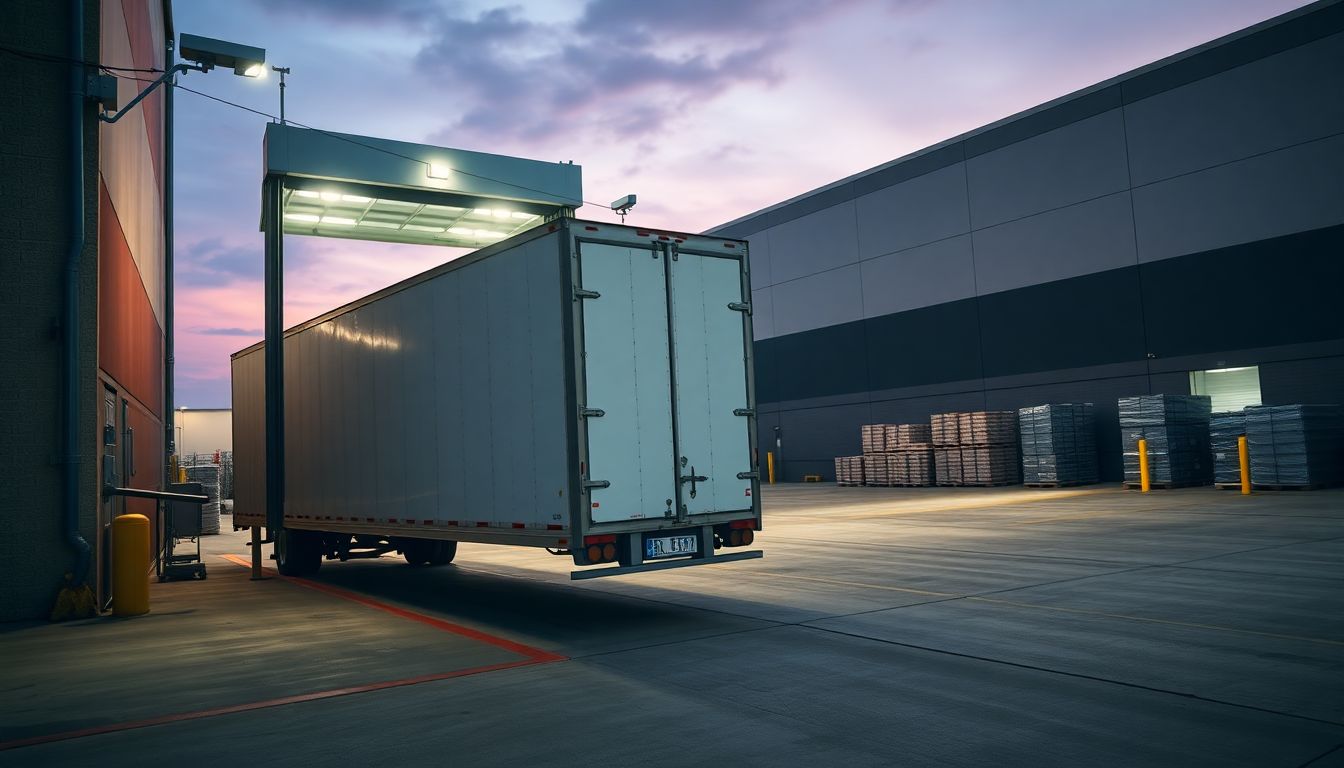
Receiving dock — short-shipping. A driver and a receiver agree to sign off a pallet as complete when it's short. The difference gets split later. Without independent verification and camera coverage that captures what actually comes off the truck, this is nearly undetectable. The paperwork looks clean.
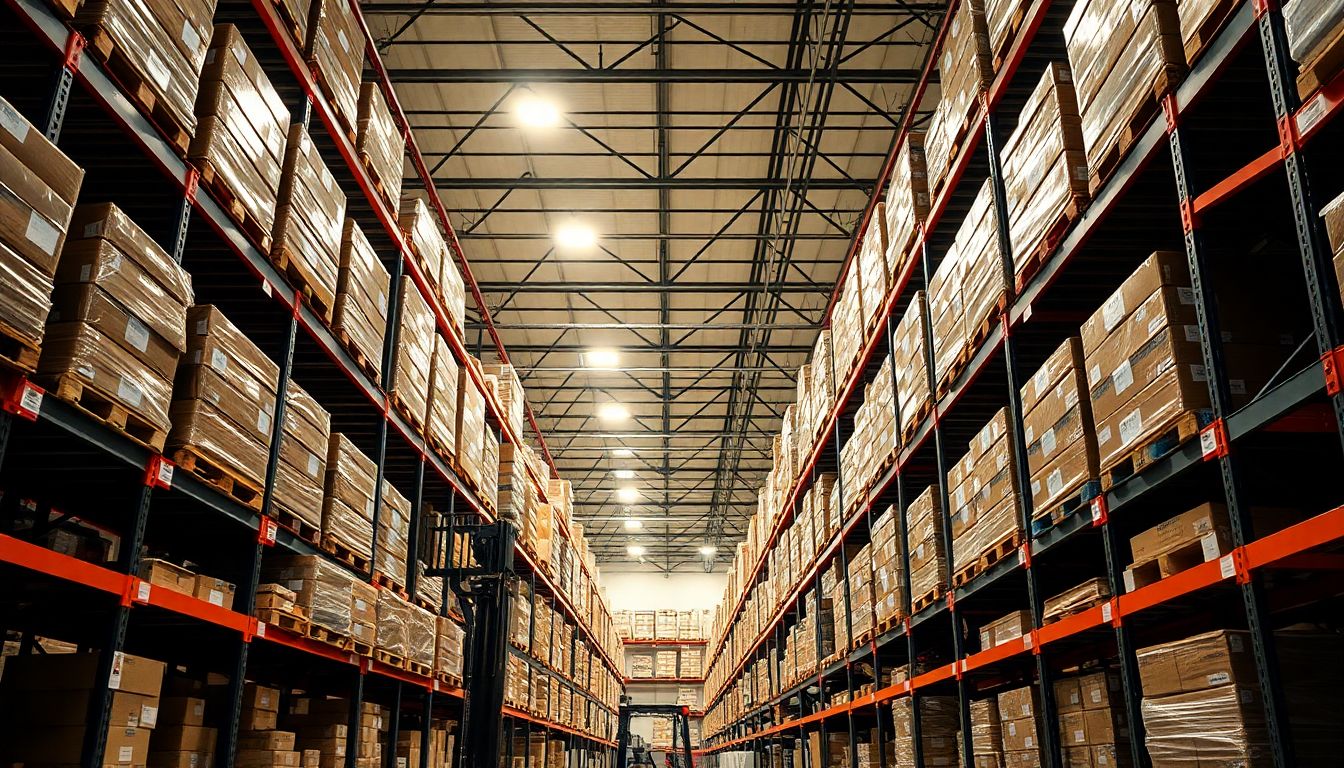
Stockroom and racking access. Unrestricted access to high-value inventory is an open invitation. If anyone on the floor can walk into the stockroom at any time with no log of who was there and when, you have no baseline to investigate against when something goes missing.
Outbound inflation. An order goes out with extra units added to the manifest — a friend of an employee, a fake buyer, or straight product that disappears between pack and ship. This requires either camera coverage in the pack area or a second-person verification process on high-value outbound orders.
After-hours access. This is where the largest single losses tend to happen. An employee with a building code or fob returns after hours, loads a vehicle, and is gone before anyone notices. Without access control that logs every entry and camera coverage that captures after-hours activity, these incidents often aren't discovered until inventory is counted.
What Most Operators Get Wrong
The most common mistake is putting cameras where they're visible rather than where they're useful. Cameras on the warehouse floor facing aisles create a general sense of surveillance, but they don't capture the activity that drives internal theft. A dome camera at the far end of a racking aisle doesn't capture what's happening at the dock door 40 metres away.
The second mistake is having no access control data. If your stockroom uses a key lock and there's no log of who opened it and when, you have nothing to investigate against. Suspicion without data leads nowhere — or worse, to false accusations.
The third mistake is treating camera footage as reactive-only. If nobody reviews footage until something goes missing, the deterrent effect is minimal. Employees quickly learn that the cameras aren't actually being watched.
What Good Internal Theft Protection Looks Like
Dock cameras with load view. Every dock door needs a camera positioned to capture what comes off the truck and what goes onto it — not just a wide shot of the dock area. Ideally, you want a second camera angled to cover the staging area where product is counted. This gives you independent visual verification of every receiving event.
Access control with audit trail on the stockroom. Proximity card or PIN access on high-value storage areas generates a time-stamped log of every entry. This isn't just useful for investigation — it changes behaviour. Employees who know their access is logged make different decisions. Pair the access reader with a camera covering the door so you can visually confirm who used the credential.
Zone-based access control. Not everyone needs access to every area. A picker on the floor doesn't need stockroom access. A driver doesn't need to enter the building past the dock. Define your zones and assign access accordingly. This limits the number of people with opportunity in high-risk areas.
Remote manager review. Modern NVR systems allow managers to pull up any camera from a phone or laptop. Build a habit of periodic unscheduled remote reviews — a few minutes of footage from the dock at the end of a receiving shift, the stockroom at closing, the pack area during peak hours. The occasional review does more for deterrence than a sign on the wall.
Paired camera and POS or WMS data. For operations with a warehouse management system, cross-referencing transaction anomalies with camera footage at the relevant workstation is one of the most effective internal loss prevention techniques available. An unusual outbound transaction triggers a footage review — not a physical audit of the whole facility.
The Accountability Conversation
Implementing these systems requires a clear policy, communicated to staff. Employees should know that cameras cover dock areas, that stockroom access is logged, and that footage may be reviewed as part of routine operations. Transparency about the system serves two purposes: it's required under PIPEDA for employee monitoring, and it's the most effective deterrent you have. Most people who steal do so because the opportunity is obvious and the likelihood of detection is low. Remove that calculus, and you remove most of the problem.
The investment in dock cameras, access control on key storage areas, and remote review capability is modest relative to the losses it prevents. A single prevented after-hours incident typically pays for a full internal security system several times over.