Retail shrinkage costs Canadian businesses $4.6 billion every year. Employee theft accounts for 33% of that, shoplifting for 28%, and administrative errors for the rest. Cameras alone won't solve it — but the right camera strategy, combined with monitoring and analytics, makes a measurable dent.
Camera Placement That Catches Theft
Point of sale: Every register needs an overhead camera that captures the transaction, the cash drawer, and the customer's hands. POS integration links camera footage to transaction data — so void and refund fraud is caught automatically. Entrances/exits: Facial-level cameras at every entrance capture identifying footage. High-value merchandise: Dedicated cameras on expensive items and glass cases. Back room/receiving: Where employee theft happens — cameras here catch internal shrinkage that floor cameras miss.
Analytics That Flag Suspicious Activity
Modern camera systems include AI analytics: loitering detection (someone spending too long in one area), line-crossing alerts (entering restricted areas), and people counting (matching customer count to transaction count reveals shrinkage patterns). These turn passive recording into active loss prevention.
The Visible Deterrent
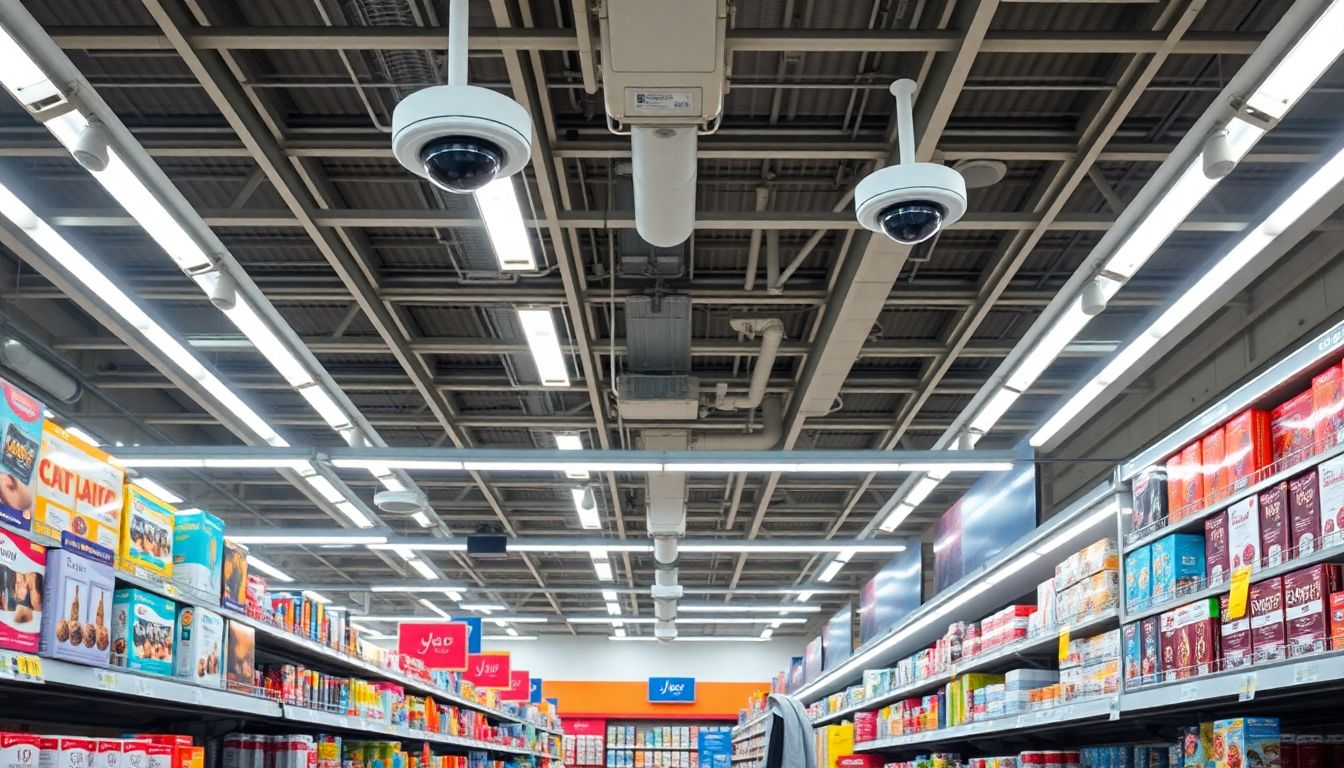
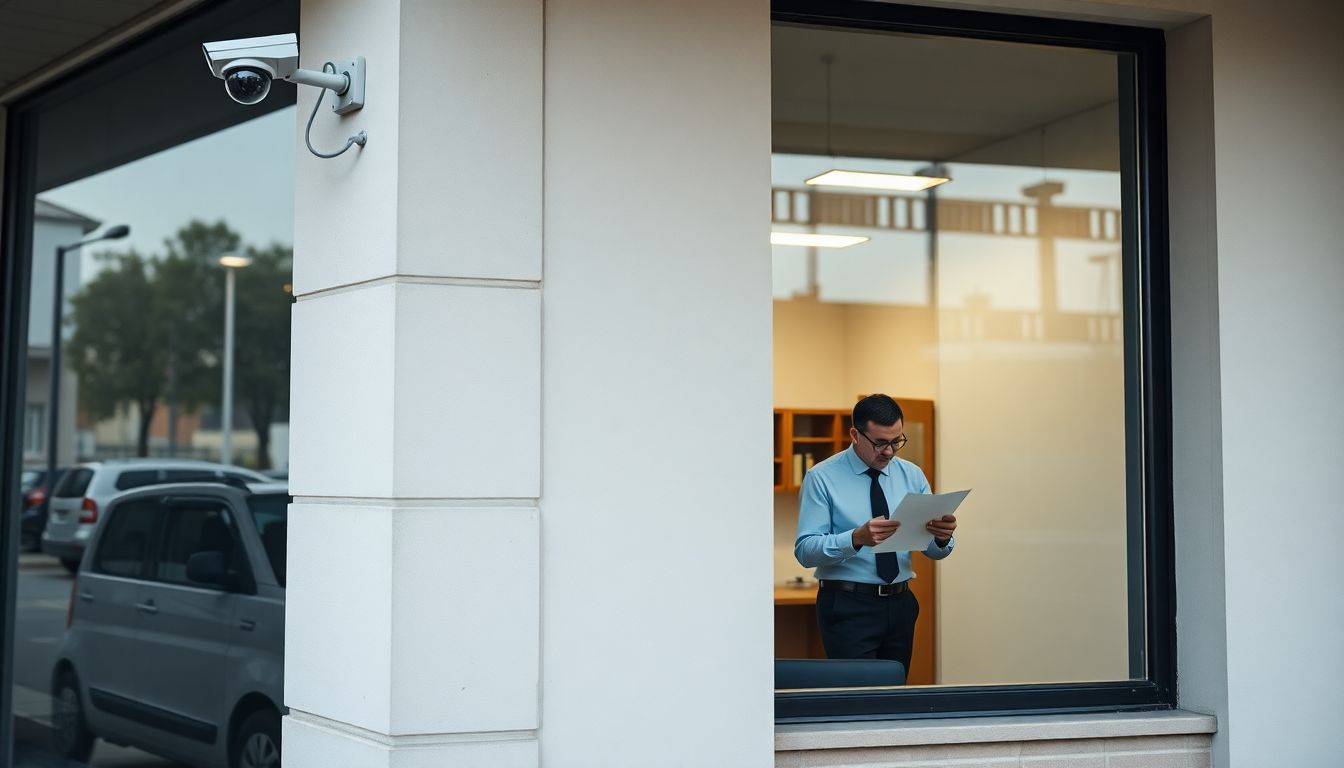
Research consistently shows that visible cameras reduce shoplifting by 50-70% compared to stores without cameras. The key word is visible — hidden cameras catch thieves but don't prevent theft. A well-signed, clearly visible camera system changes behavior before theft occurs.
ROI for Retailers
A mid-size retail location (2,000-5,000 sq ft) typically invests $4,000-8,000 in a professional camera system. If your annual shrinkage is $30,000-50,000 (industry average for a store this size), even a 30% reduction in theft pays for the system in year one.