Shipping and distribution yards in Ontario hold staged freight continuously — inbound loads waiting to be processed, outbound loads waiting for carrier pickup. The value sitting on a dock or in a trailer row at any given moment can easily exceed $500,000. Most of that freight has no dedicated security layer beyond a fence and a lock that hasn't been changed in years.
The break-in pattern at Ontario shipping yards follows a predictable profile: reconnaissance over several days, identifying carrier traffic patterns and coverage gaps; entry during a low-activity window (late evening or pre-dawn); targeted selection of specific trailers rather than opportunistic smash-and-grab. These are not random incidents. They are planned operations.
The Threat Landscape at Shipping Yards
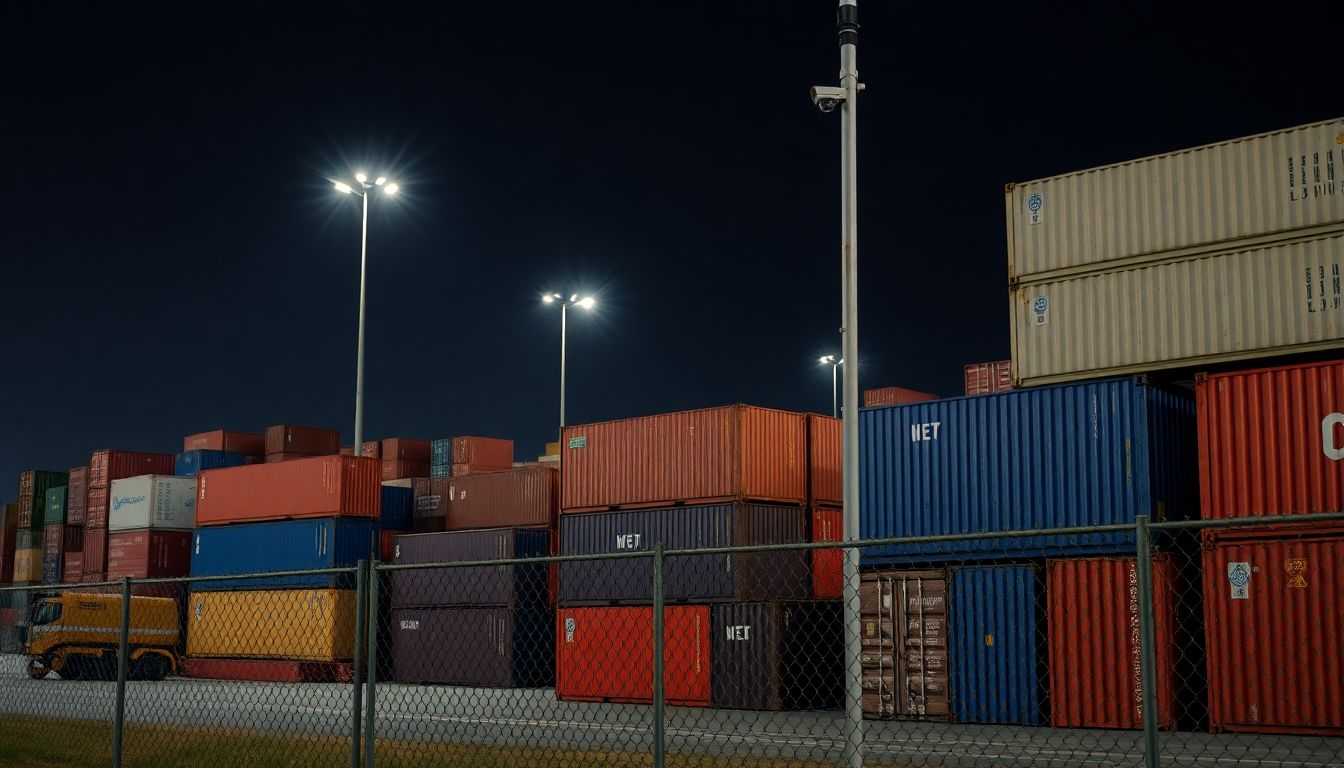
Staged freight is a standing target. Unlike a trucking yard where trailers come and go frequently, a shipping yard often has freight staged for 24–72 hours waiting for the next carrier window. That gives theft rings a known, stationary target with a predictable pickup schedule they can observe from the road.
Dock door vulnerabilities. Shipping docks with roll-up doors are commonly forced using pry bars or hydraulic tools — particularly older dock doors with worn seals and worn locking mechanisms. A team can open a dock door and begin loading a vehicle in under five minutes if there's no immediate alarm or camera deterrent.
The handoff gap. The highest-risk window in a shipping yard is between shifts — when outbound freight has been staged but the carrier hasn't arrived yet, and the previous shift's staff has left. No one is monitoring the dock area, the perimeter gate is on a padlock, and the camera system (if there is one) is recording to a local DVR that nobody watches until the morning after an incident.
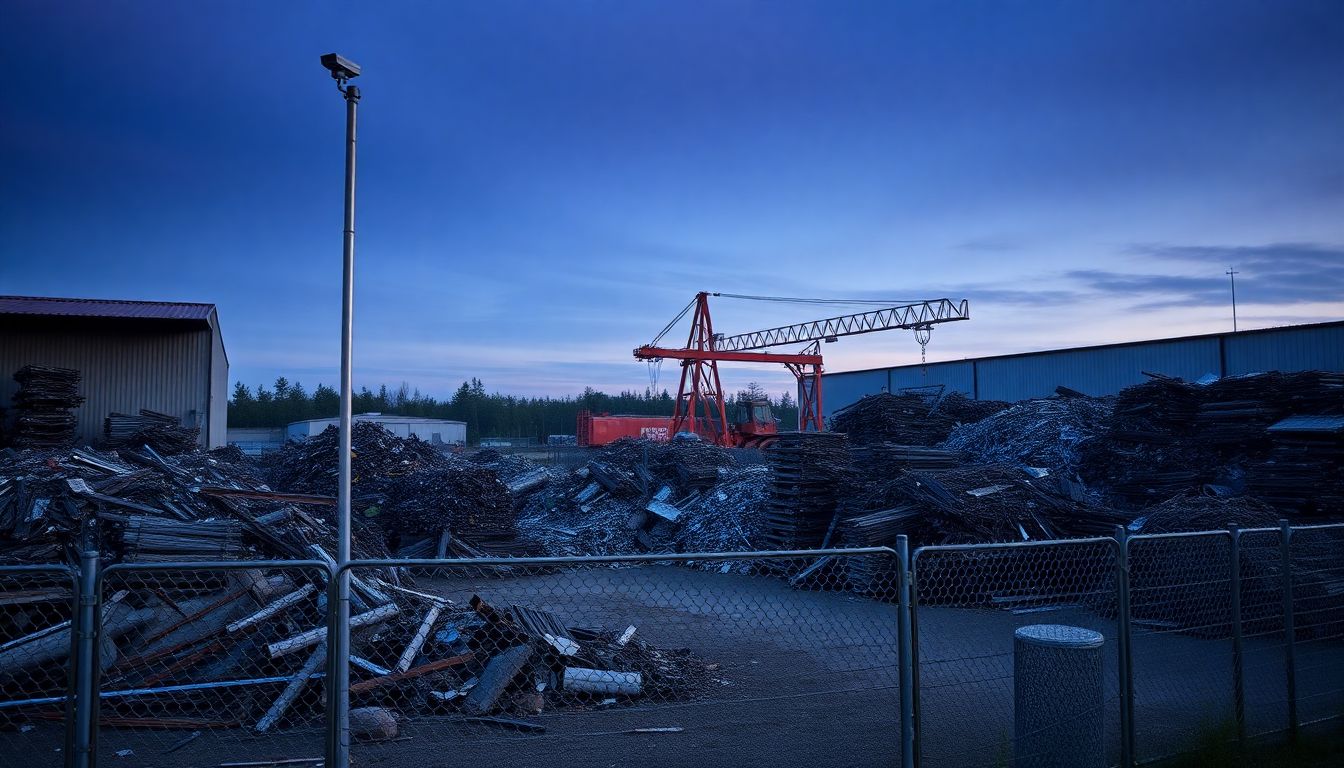
Perimeter breaches. Chain-link perimeter fencing is a deterrent, not a barrier. Most Ontario shipping yards have at least one section of fence that can be lifted, cut, or gone under in under two minutes. Organized teams identify the weakest perimeter point during reconnaissance and use it during the actual entry.
Common Security Gaps at Ontario Shipping Yards
No live monitoring during off-hours. Cameras recording to a local DVR answer one question: what happened? They don't prevent anything. During the carrier gap window — when staged freight is sitting and no one is on-site — a recording-only system provides zero deterrent. Live video monitoring, where an operator watches camera feeds and can trigger an audio challenge or contact law enforcement, is what converts a camera system from a forensic tool into a prevention tool.
Inadequate perimeter camera coverage. Most shipping yard camera systems cover dock doors and the parking area in front of the building. The sides of the building, the rear perimeter, and the trailer row interiors are frequently uncovered. Organized theft teams know this and route their entry and staging accordingly.
No alert on after-hours motion. A camera that is recording continuously but not sending alerts is not protecting the site. After-hours motion detection with immediate notification to a monitoring station — or directly to a site manager — is standard in a properly designed system. Most legacy camera systems at Ontario shipping yards are not configured this way.
Dock doors without intrusion detection. Monitored contacts on dock doors provide immediate notification when a door is opened after hours. This is inexpensive to install and extremely effective. Despite this, most shipping yards don't have it.
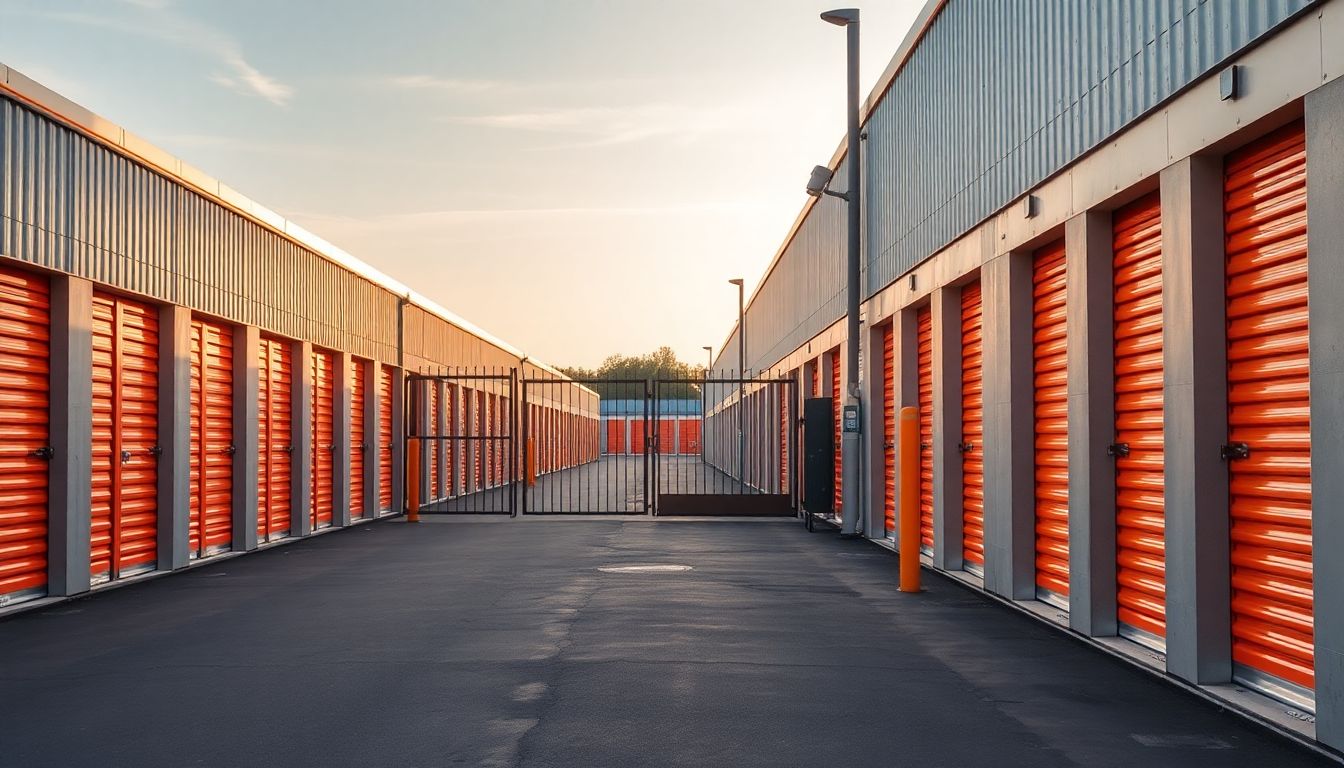
No access control on the yard gate. A padlock on the perimeter gate doesn't log who opened it. A powered access control system with card or fob logging provides a complete record of every authorized entry — and an unauthorized entry triggers an alert.
What Properly Secured Shipping Operations Look Like
Effective shipping yard security operates in layers. The perimeter — fence, gate, and approach — is the first layer. Powered gates with access control log every vehicle entry. Camera coverage at the gate captures licence plates in both directions. Perimeter cameras at elevated positions cover all fence lines, not just the front of the property.
The dock area is the second layer. Monitored contacts on every dock door alert immediately on unauthorized after-hours opening. Cameras cover both the interior dock approach and the exterior loading area. Motion detection is configured for the overnight window with alerts going to a live monitoring station.
The freight staging area is the third layer. Camera coverage of the trailer rows from multiple angles, with enough resolution to read trailer numbers and identify individuals. A monitoring operator who receives a motion alert and can immediately assess whether it's a driver arrival or an unauthorized entry.
The gap between legitimate carrier windows doesn't have to be an unmonitored vulnerability. The shipping yards that get targeted repeatedly are the ones with visible coverage gaps. The ones that don't get targeted are the ones that close them.
For a detailed breakdown of security systems designed for Ontario shipping operations, see our shipping yard security page.