The commercial camera market is flooded with options. Every vendor says their system is the best. Here's how to cut through the noise and pick what actually works for your building, budget, and risk profile.
IP vs Analog: There's Only One Answer
If anyone is trying to sell you an analog system in 2023, walk away. IP cameras deliver higher resolution, run on standard network cabling (PoE), support remote access, and integrate with modern NVRs and analytics. Analog is legacy technology with no upgrade path.
Resolution: 4K Is the New Standard
2MP (1080p) cameras were fine in 2018. Today, 4K (8MP) is the standard for commercial installations. The price difference is minimal, but the footage quality difference is massive — especially for licence plate capture, facial identification, and wide-area coverage where you need to digitally zoom into incidents after the fact.
Camera Types by Application
Dome cameras: Best for indoor areas, retail spaces, and locations where vandal resistance matters. The dome housing makes it hard to tell where the camera is pointed, and they're difficult to tamper with.
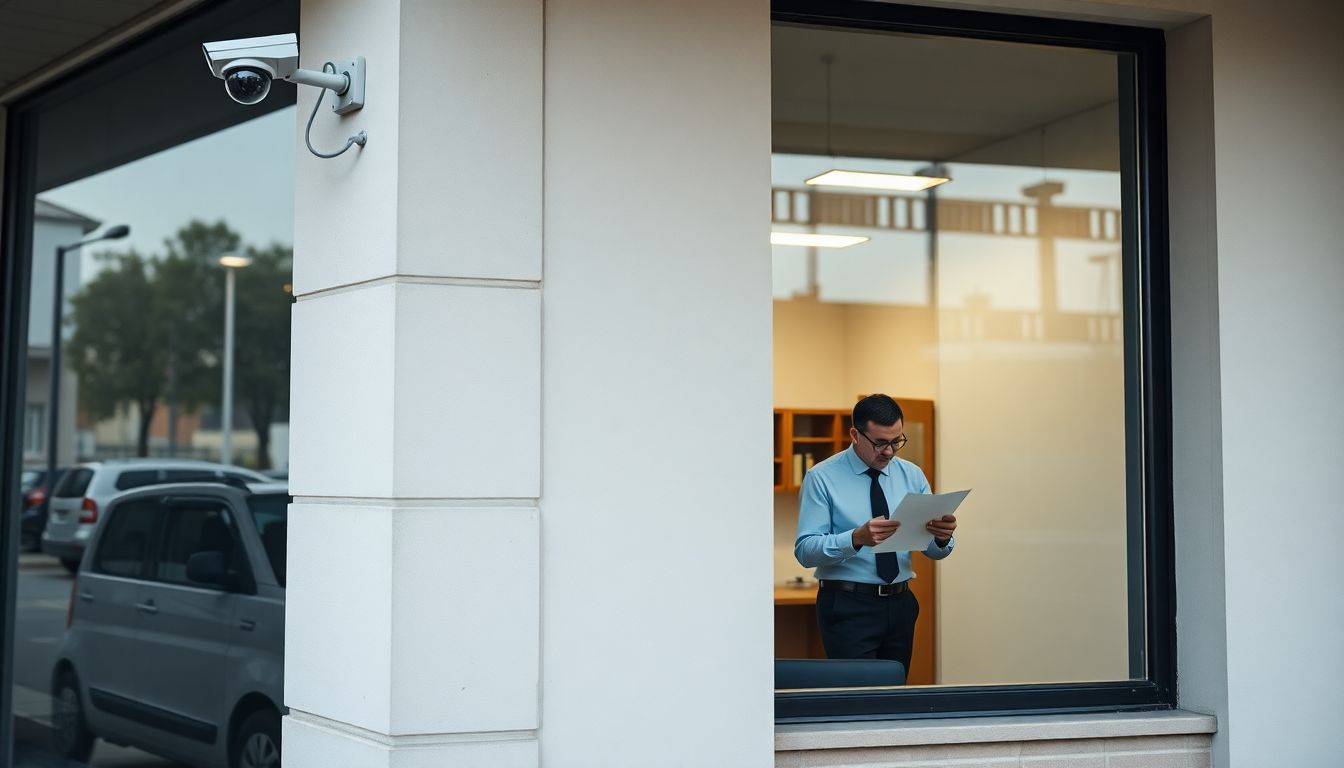
Bullet cameras: Best for outdoor perimeters, parking lots, and long-range coverage. Their visible profile acts as a deterrent, and the housing design provides better weather sealing and longer IR range.
PTZ cameras: Best for large open areas — yards, warehouses, parking structures. Pan-tilt-zoom allows a single camera to cover a wide area, and they're essential for live monitoring operations where an operator needs to follow a subject.
Storage: NVR vs Cloud
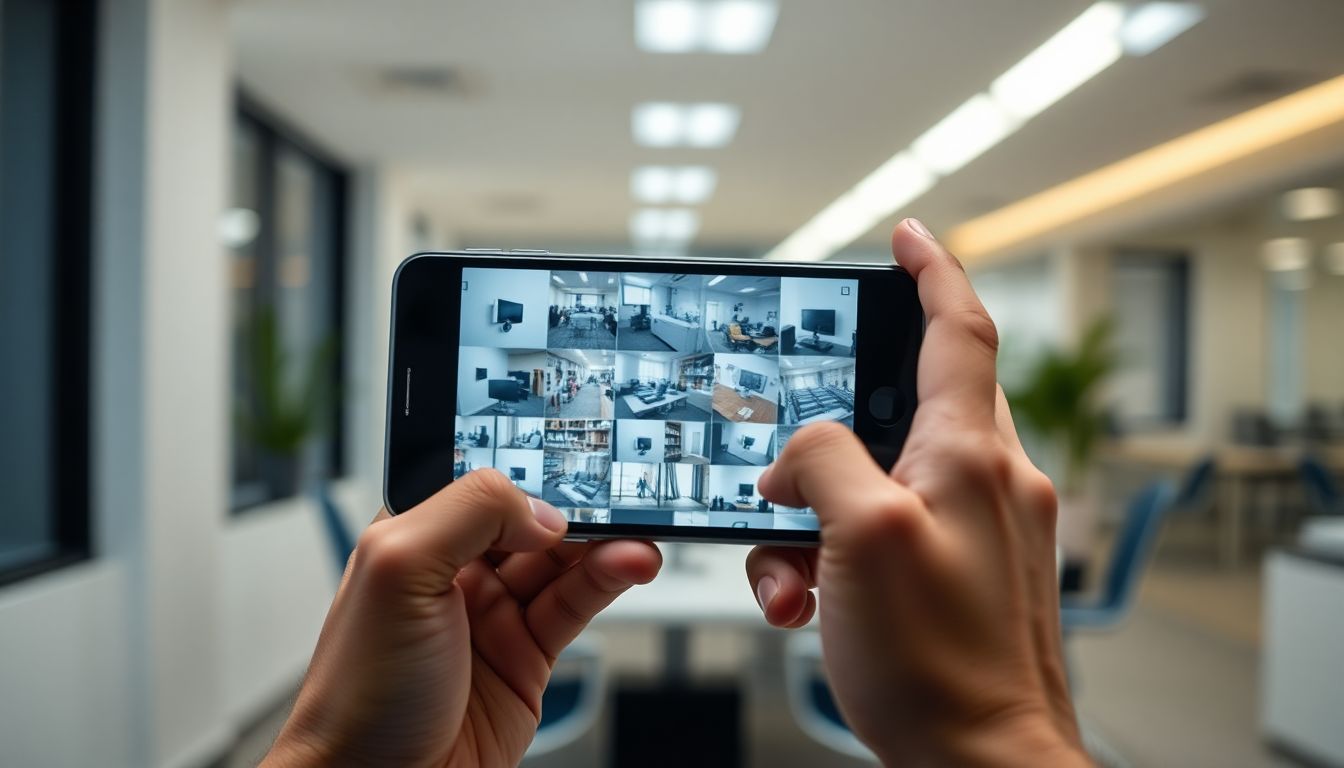
For most commercial installations, a local NVR with cloud backup is the right answer. Local NVR ensures recording continues if internet drops. Cloud backup protects against NVR theft or damage. The combination gives you reliability and redundancy without the bandwidth costs of full cloud recording.
The Installation Matters More Than the Camera
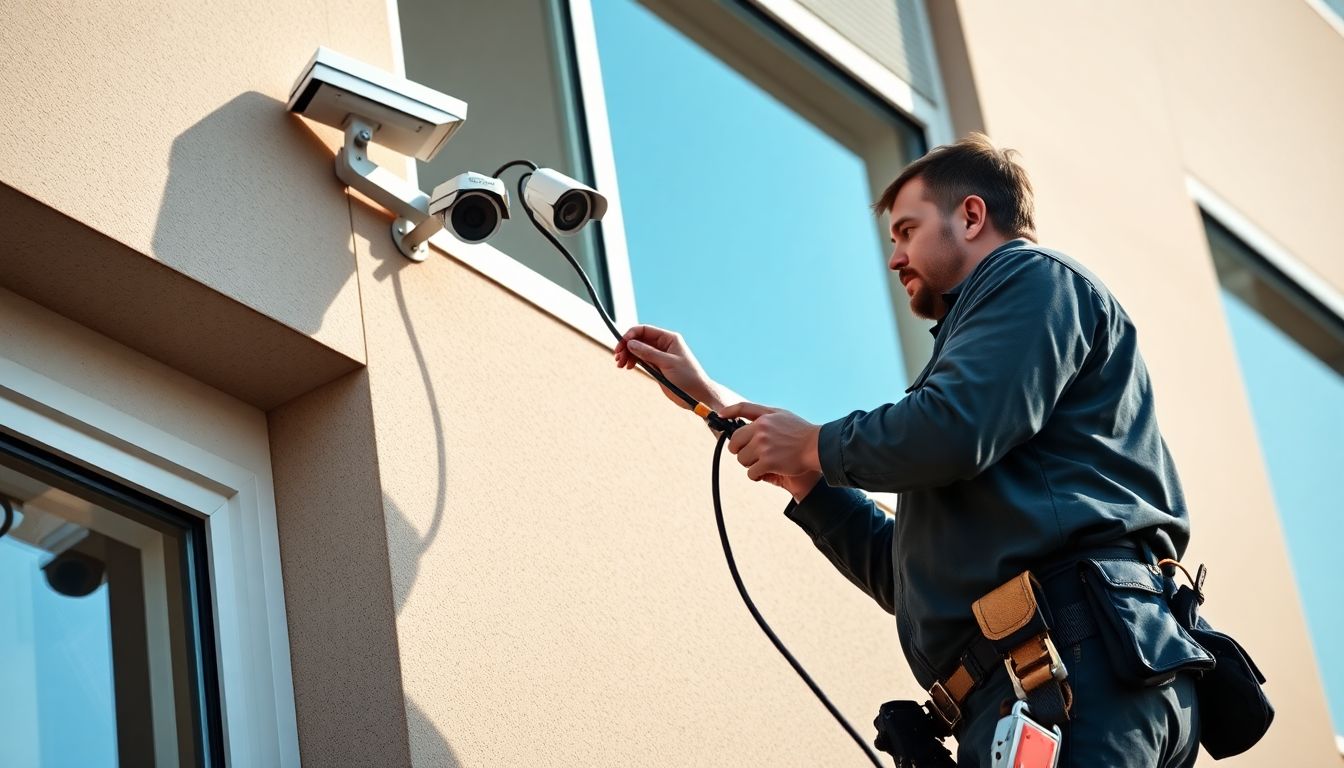
The best camera in the wrong position is worthless. Professional installation includes site survey, camera placement design, cabling, configuration, and testing. A $3,000 system professionally installed will outperform a $5,000 system self-installed every time.