The Canadian construction industry loses billions annually to theft. And it's not just opportunistic — organized crews target sites with expensive equipment, staged materials, and copper wiring. If your theft prevention strategy is "lock the gate and hope," here's what actually works.
Understanding the Threat
Construction site theft falls into three categories: Equipment theft (excavators, loaders, generators — $50K-500K per item), material theft (copper wire, steel, lumber — high volume, easy to resell), and tool theft (power tools, hand tools — low individual value but cumulative losses add up fast).
Strategy 1: Rapid-Deploy Camera Systems
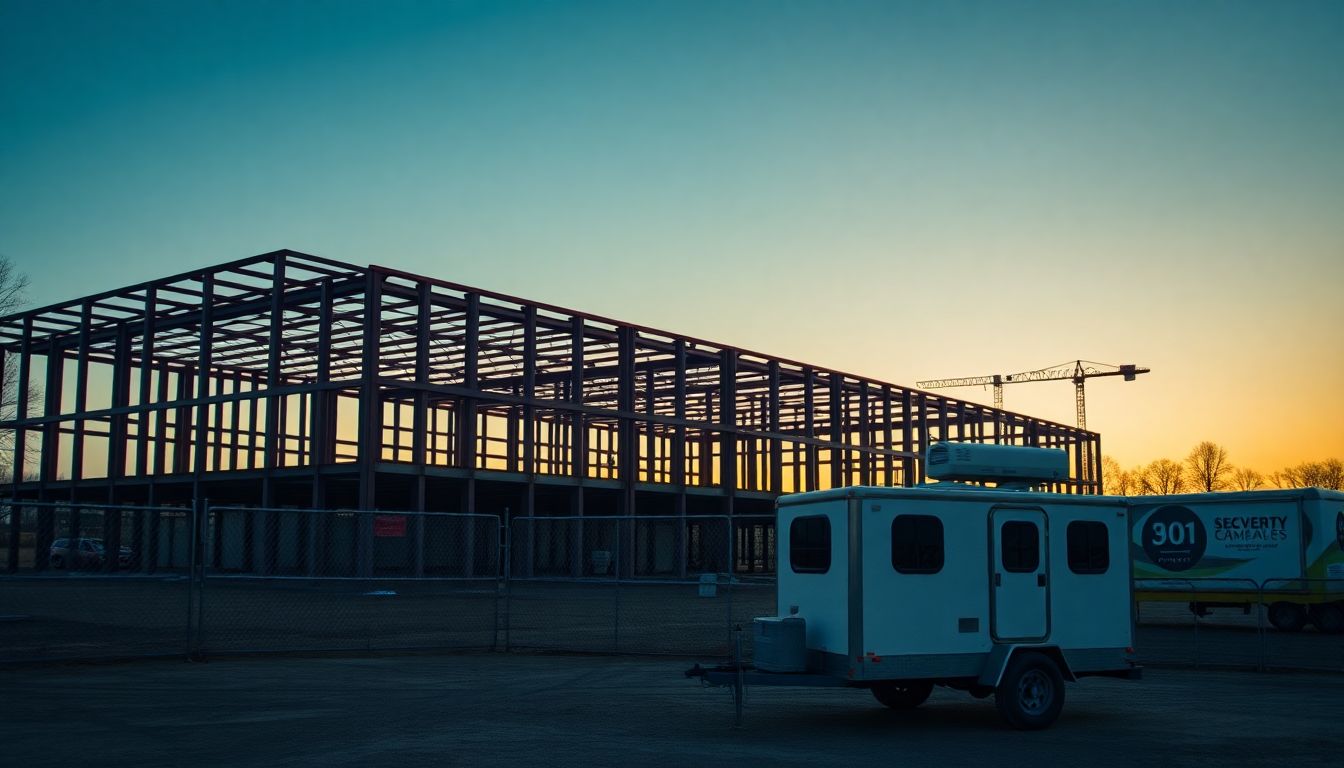
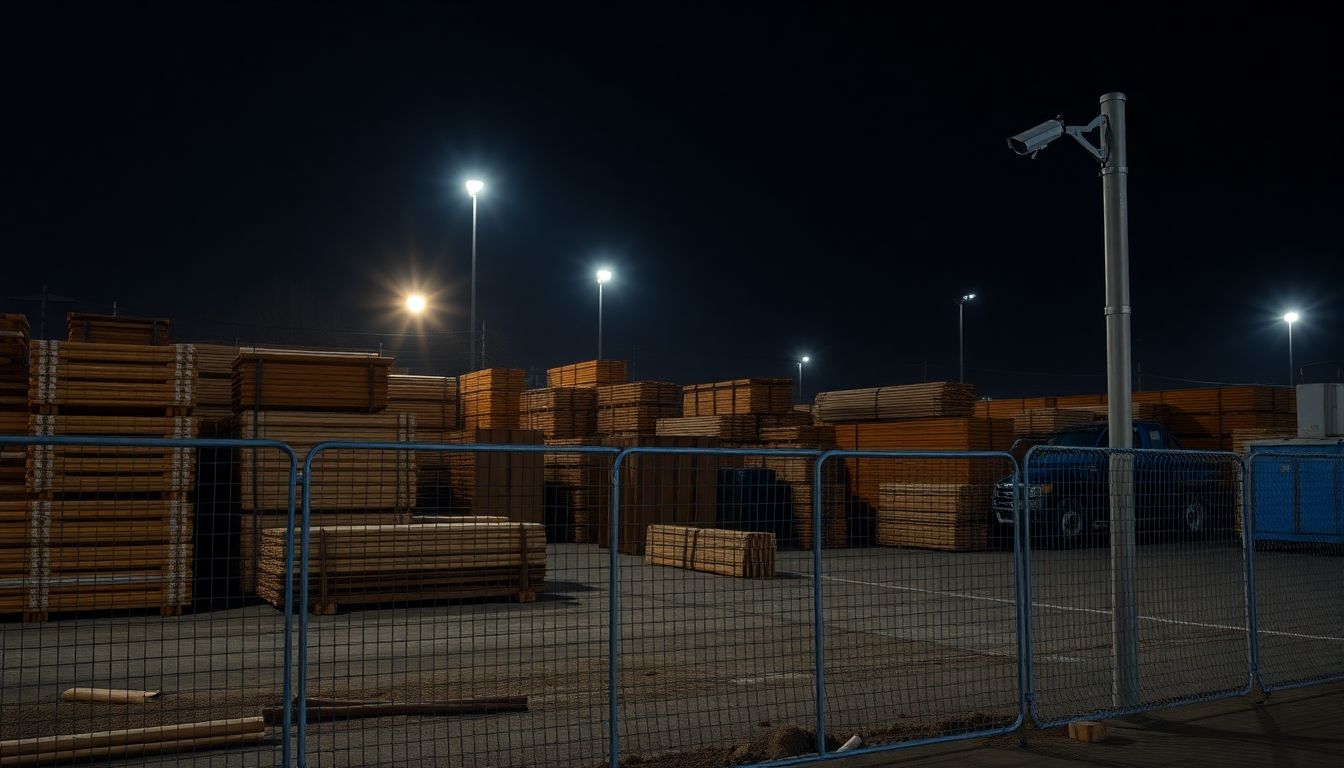
Temporary pole-mounted cameras with cellular connectivity can be deployed in hours and repositioned as the site evolves. No site internet required, no permanent installation. 4K cameras with IR night vision cover large areas, and footage is accessible from any device.
Strategy 2: Live Monitoring After Hours
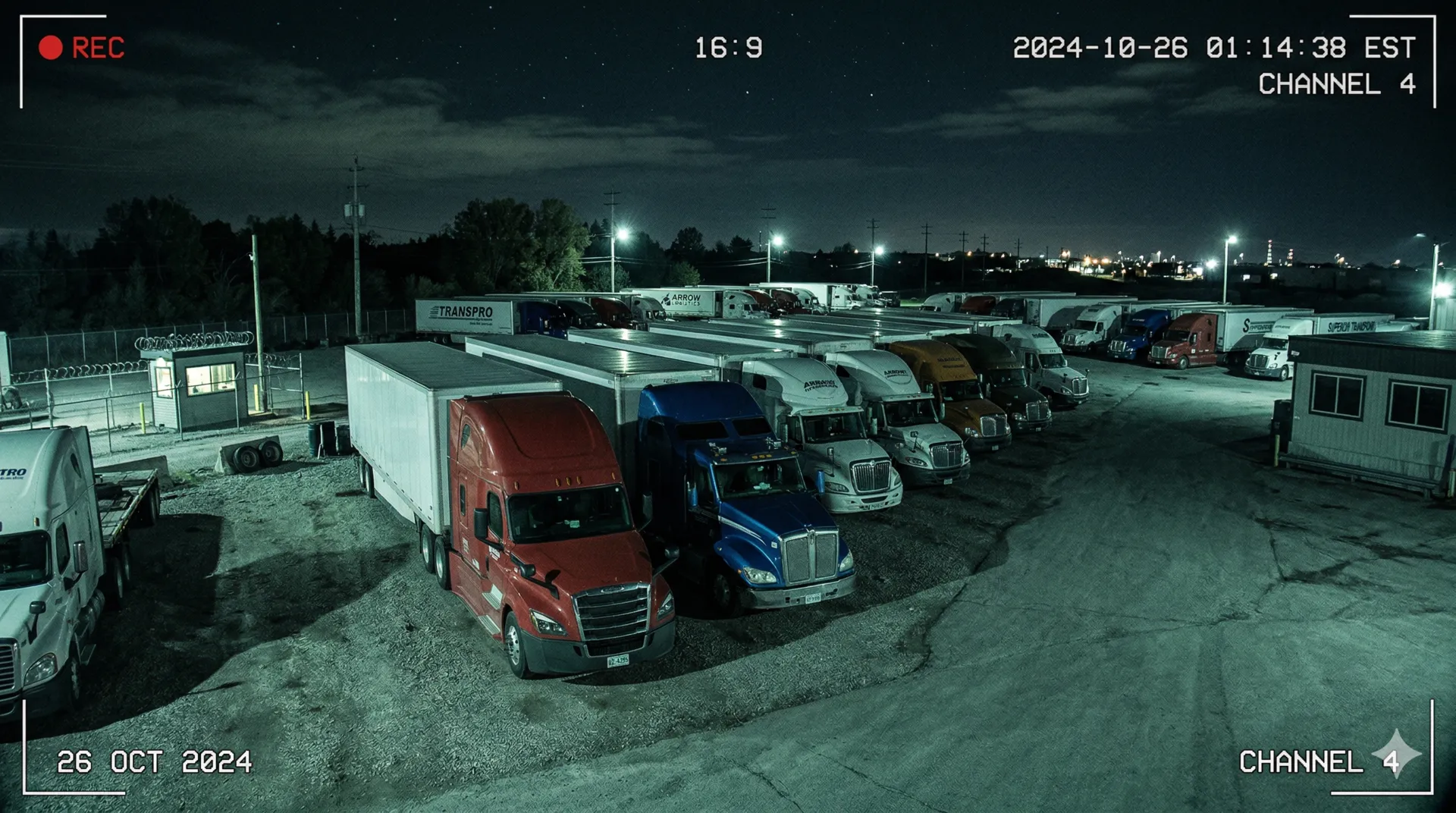
Cameras without monitoring are just expensive evidence collectors. Live monitoring means human operators watching your cameras during high-risk hours (typically 7 PM to 6 AM). When motion is detected in unauthorized areas, the operator verifies the threat and responds — audio warning, police dispatch, and site manager notification — all within seconds.
Strategy 3: Perimeter Intrusion Detection
Pair cameras with perimeter sensors: thermal detection on fence lines, virtual tripwires on camera feeds, and audio detection for cutting tools. These generate alerts before someone even reaches your equipment, giving monitoring operators maximum response time.
Strategy 4: GPS Tracking on High-Value Equipment
For equipment over $50K, GPS trackers provide a recovery option if prevention fails. Cellular GPS trackers hidden on excavators, loaders, and generators allow police to track and recover stolen equipment — often within hours. Recovery rates for GPS-tracked equipment exceed 85%.
Strategy 5: Insurance-Grade Documentation
Document everything: serial numbers, photos, GPS locations, access logs. When a claim happens, thorough documentation means faster payouts and lower deductibles. Many insurers require this documentation for construction liability policies — and offer premium reductions for sites with monitored security.