Analog CCTV had a good run. For 30 years, it was the only option. But in 2021, running analog cameras on a commercial property is like running Windows XP — it works until it doesn't, and you're exposed to problems that modern systems simply don't have.
Resolution: No Contest
Analog cameras max out at 960H (equivalent to about 0.4MP). A standard IP camera starts at 2MP (1080p) and commonly runs at 4K (8MP). That's 20x more detail. In practical terms: analog can tell you "someone was there." IP can tell you "it was a 6-foot male in a red jacket driving a black Ford F-150 with plate ABCD 123."
Cabling: Simpler and Cheaper
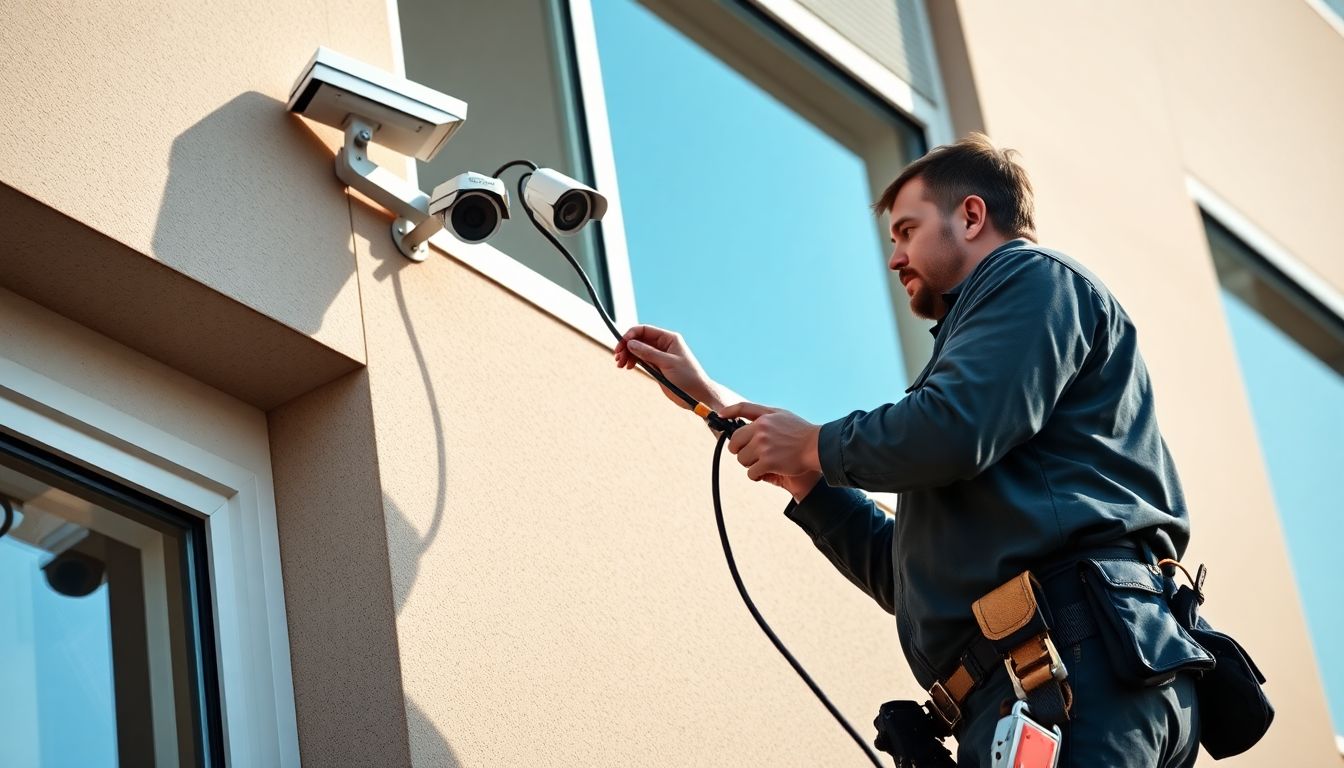
Analog requires dedicated coax cabling plus separate power runs. IP cameras run on standard Cat6 Ethernet with Power over Ethernet (PoE) — one cable for video, audio, power, and data. Installation is faster, cleaner, and less expensive. And Cat6 infrastructure is useful for other things if you ever change the camera location.
Scalability
Adding an analog camera means running new coax back to the DVR and hoping you have an open channel. Adding an IP camera means plugging into any available PoE switch port — even one across the building. You can add cameras incrementally without rewiring.
Analytics and Integration
IP cameras support on-board analytics: motion detection, line crossing, object classification, people counting, and licence plate recognition — running on the camera itself. Analog cameras record video. That's it. The analytics gap alone justifies the switch for any business serious about security.
The Migration Path
You don't have to rip out everything at once. Hybrid NVRs accept both analog and IP cameras, allowing you to migrate incrementally — replacing analog cameras with IP units one at a time while using the same recorder. This spreads the cost over months or years.