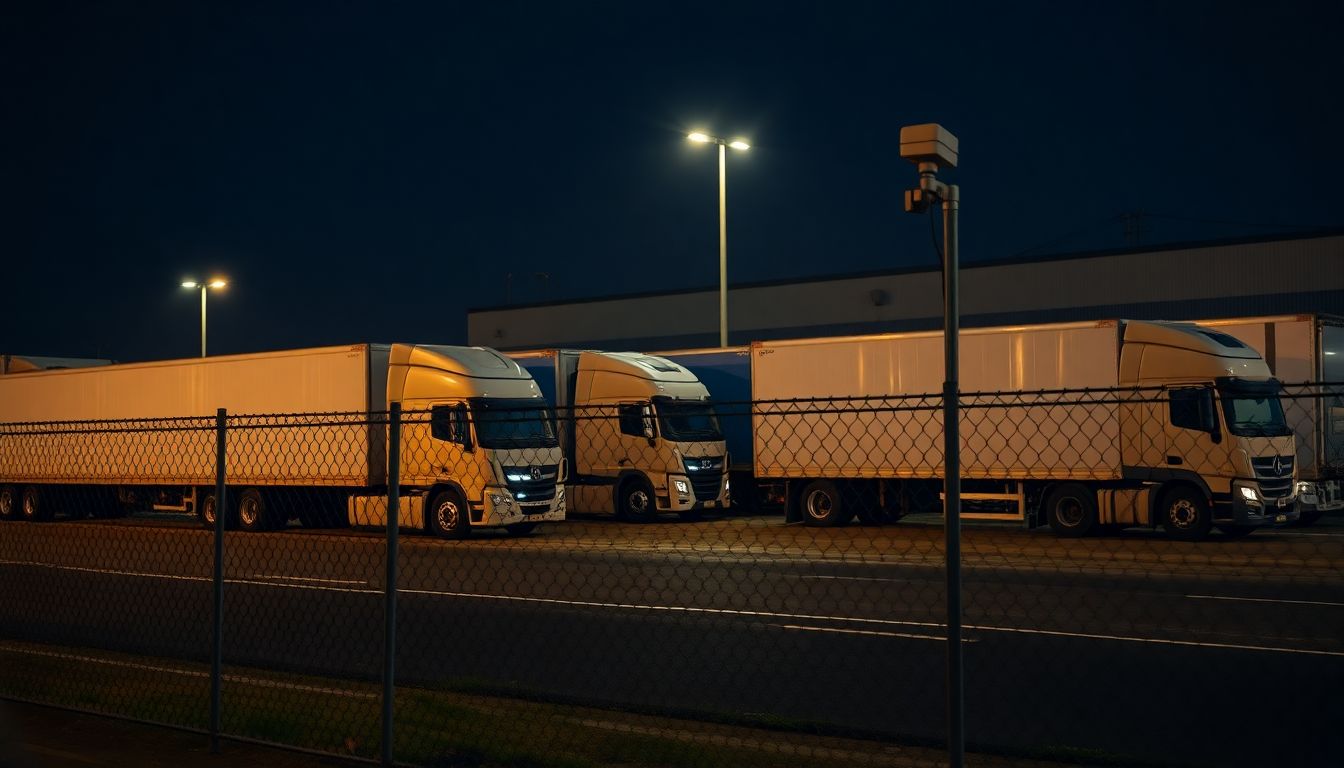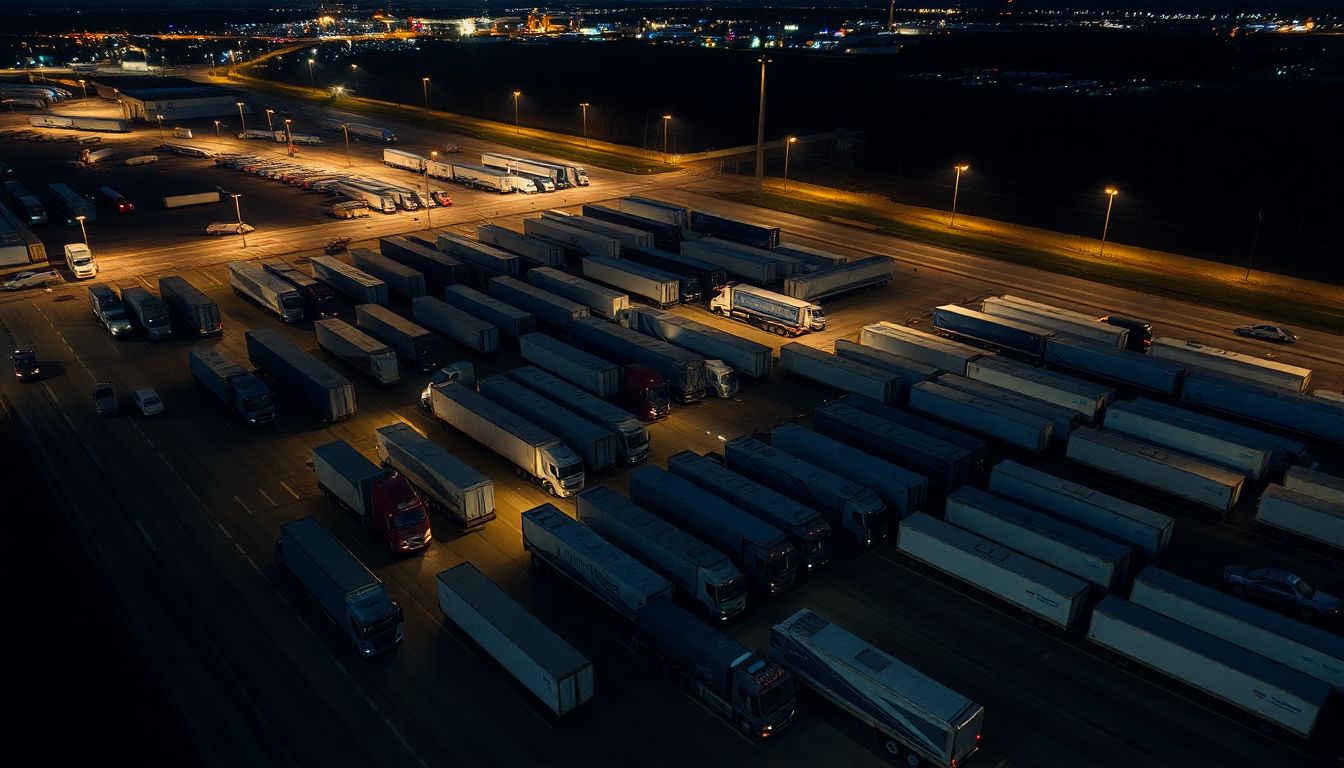
Ontario accounts for the highest cargo theft volume of any Canadian province, a distinction it has held for more than a decade. Équité Association — the insurance industry's cargo theft tracking body — documents year over year that Ontario's combination of dense freight corridors, border crossings, and organized crime infrastructure makes it the highest-risk jurisdiction in the country. What has changed in recent years is the sophistication of the theft methodology. Blunt-force trailer break-ins still happen, but the organized rings causing the largest losses operate using fraud, insider intelligence, and electronic countermeasures.
The Threat Landscape in 2026
Fictitious pickup is the fastest-growing cargo theft method in Ontario. Theft rings construct fraudulent carrier identities — fake DOT numbers, spoofed insurance certificates, fabricated dispatch credentials — and book legitimate loads through freight brokers. The load is picked up with proper paperwork, signed off by dock staff, and disappears. By the time the consignee reports a missed delivery, the freight is in a secondary warehouse and the paper trail points nowhere. Pharmaceutical, electronics, and high-value consumer goods are the primary targets.
GPS jamming is widely used in Ontario. Jammers are inexpensive and available through grey-market channels. A jammer operated from a vehicle trailing the target truck can knock out standard cellular-GPS tracking for the 10–15 minutes needed to redirect a load. Single-tracker setups provide no protection against this.
Insider intelligence drives the highest-value thefts. Someone with access to load manifests, dispatch schedules, or carrier assignments — a dock worker, dispatcher, or logistics coordinator — provides the ring with information about what's moving, when, and with which carrier. Insider-assisted thefts rarely surface until a formal investigation begins.
Drop yard targeting. Trailers sitting in unsecured or minimally secured drop yards overnight represent the lowest-effort, highest-yield theft opportunity in commercial freight. A team with a day cab can hook up and pull a trailer in under 90 seconds.
Common Security Gaps at Ontario Trucking Yards
No licence plate capture at the gate. If you cannot tell investigators which vehicles entered your yard and at what time, your camera system has failed at its most basic function. Most basic camera installations at trucking yards don't include gate-positioned cameras with LPR capability — they cover the building facade and nothing else.
Padlock perimeter security. A chain-link gate with a padlock is not access control. Organized theft teams have the time and tools to defeat it in under a minute with no record of who did it. Powered access control with card or fob logging is the minimum standard for any yard with trailers holding commercial freight.
Single GPS tracker on high-value loads. One tracker is one jamming event away from being useless. High-value loads need dual tracking — one standard location, one concealed — ideally using a system that transmits over cellular and satellite independently.
Cameras with insufficient retention. Cargo theft investigations regularly require footage from days before the incident — to identify reconnaissance activity, track vehicle patterns, and document who accessed the yard during the window leading up to the theft. Systems retaining only 7–14 days miss this entirely. Thirty days of retention is the operational minimum.
No seal program on high-value trailers. Cargo seals are a low-cost accountability mechanism. A numbered seal logged at loading creates a chain of custody. A broken seal at delivery is immediate red flag. Most trucking yards don't run a formal seal program even on their most valuable loads.
What a Properly Secured Trucking Yard Looks Like
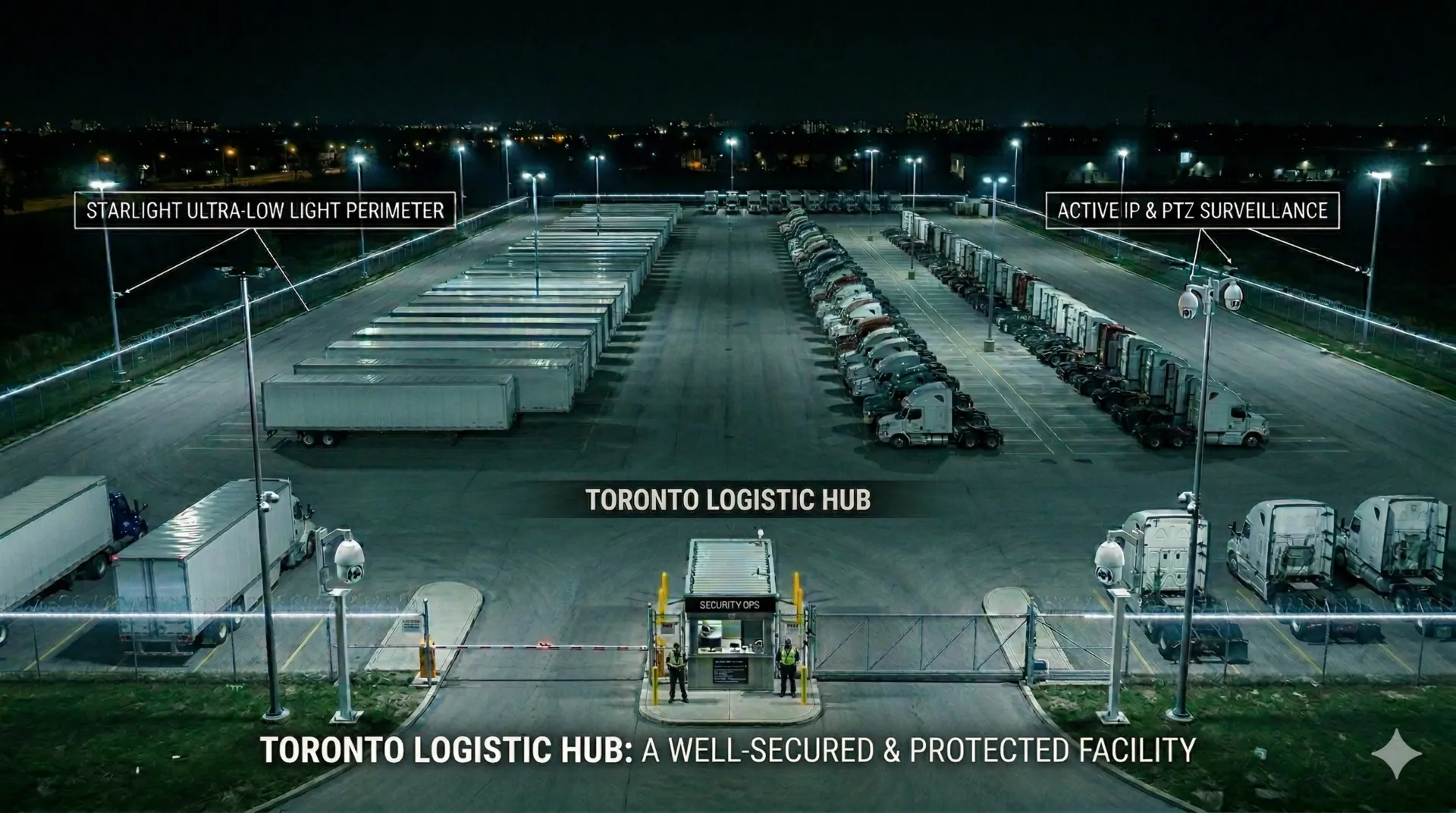
A secured Ontario trucking yard has camera coverage at every vehicle gate — positioned to capture licence plates in both entry and exit directions, day and night. It has powered access control on all perimeter gates with logged card or fob access, so every authorized entry and exit has a timestamp and identity attached to it.
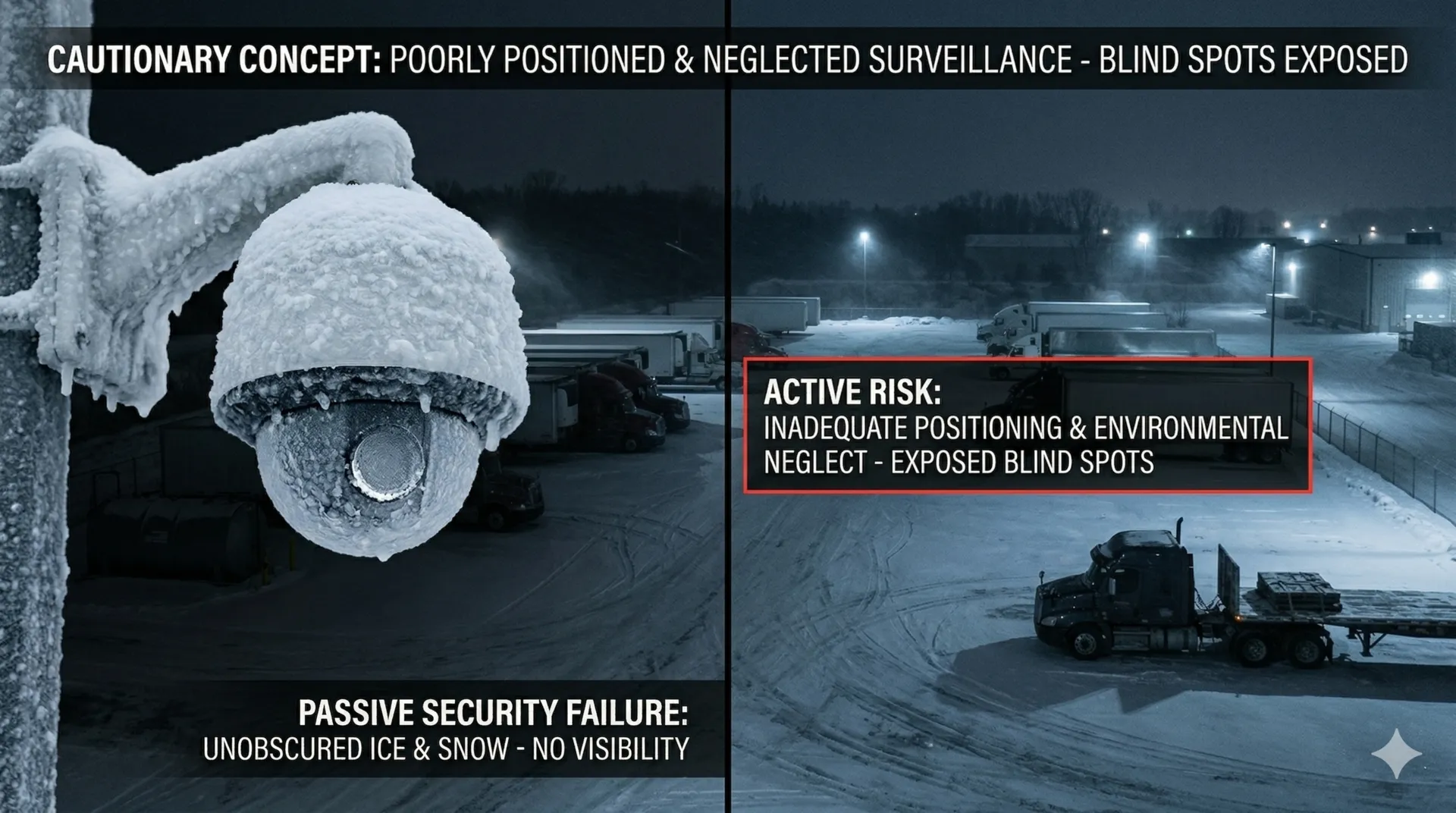
Inside the yard, cameras cover the trailer rows, dock doors, dispatch area, and building perimeter on a continuously recording NVR with 30 days of retention. PTZ cameras at elevated positions eliminate the blind spots that dome cameras mounted at building height typically leave in large yards.
High-value loads leave with dual GPS tracking systems — one device registered to a visible location, one concealed — on a mandatory driver check-in schedule. A missed check-in triggers immediate escalation, not a next-morning review.
Pre-employment screening for drivers and dispatch staff handling sensitive loads is standard practice. Not because theft is expected, but because it closes the insider intelligence channel before it opens.
Cargo theft is an operational risk problem, not an insurance problem. Insurance reimburses the loss. It doesn't recover the freight, restore the client relationship, or undo the premium impact. The operators who manage it well treat it as a known threat with known countermeasures — and they deploy those countermeasures before the loss occurs.
For a detailed breakdown of security systems designed for Ontario trucking yards, see our truck yard security page.